
Promoting Environmental Stewardship and Adoption of Alternative Energy in Kakuma Refugee Camp
- By PROCMURA
- Events
- Hits: 654
Kakuma Refugee Camp remains one of Kenya’s most significant humanitarian settlements, hosting a large population of people displaced by conflict, insecurity, and climate-related pressures from across the region. Located in a semi-arid environment, the camp faces persistent ecological strain as prolonged displacement increases demand for already limited natural resources. Over time, deforestation, poor waste management, and heavy reliance on unsustainable energy sources have compounded environmental degradation, with direct consequences for the health, safety, and long-term resilience of both refugees and host communities.
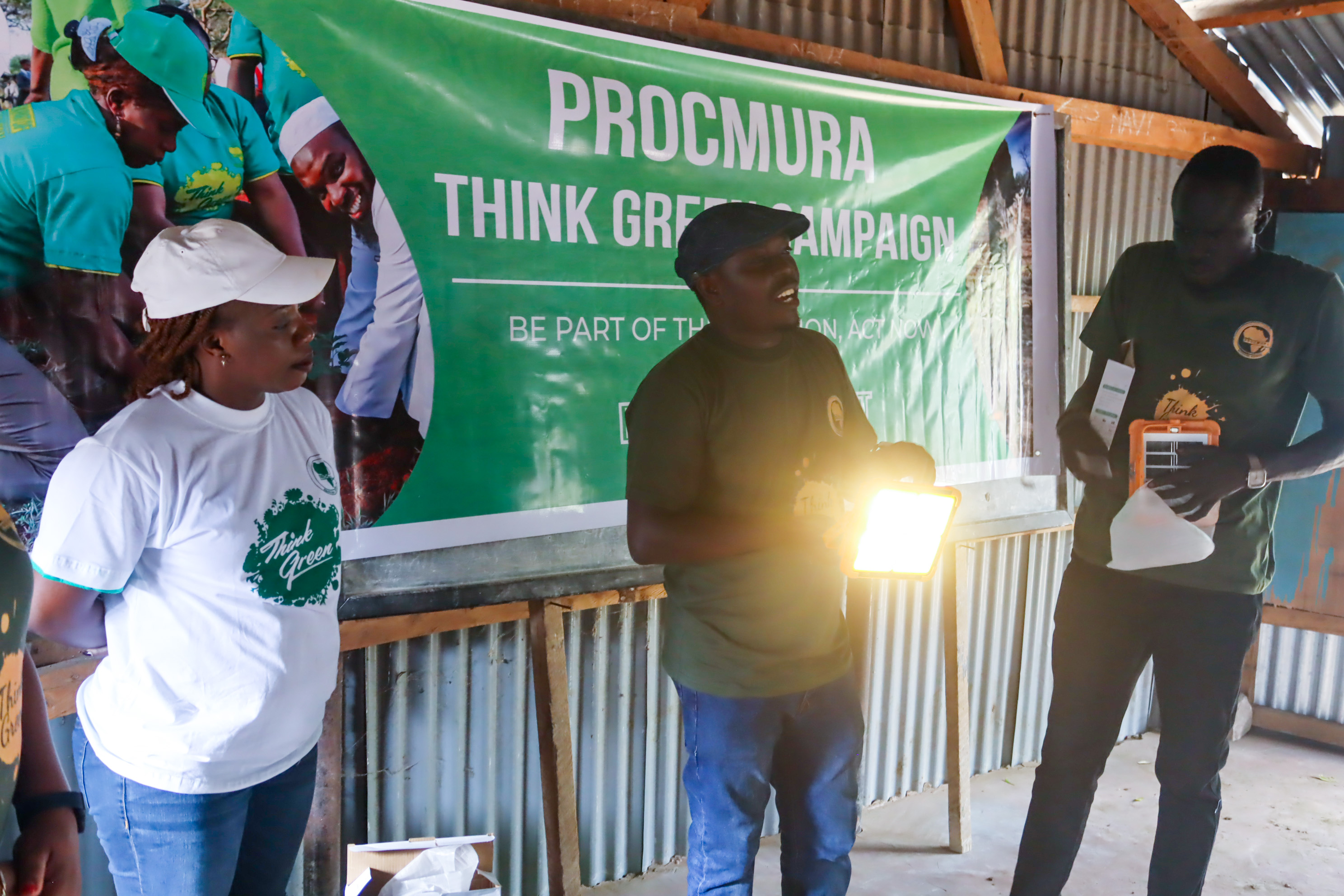
Within this challenging context, PROCMURA, through its Think Green campaign, implemented a two-day environmental care intervention in Kakuma from 12 to 13 December 2025. Working with students and teachers from a local theological college located within the camp, the initiative aimed to deepen environmental awareness and promote practical, community-driven responses to ecological challenges the refugees and local host communities continue to face every day.
The engagement blended indoor discussions and outdoor activities, enabling participants to critically reflect on the relationship among environmental degradation, human dignity, and ethical responsibility. Conversations focused on common challenges within the camp, particularly poor waste disposal practices and continued logging for fuel and construction. Participants drew on lived experience to analyse how these issues affect daily life, while also exploring ways to improve environmental practices through collective action and behavioural change.
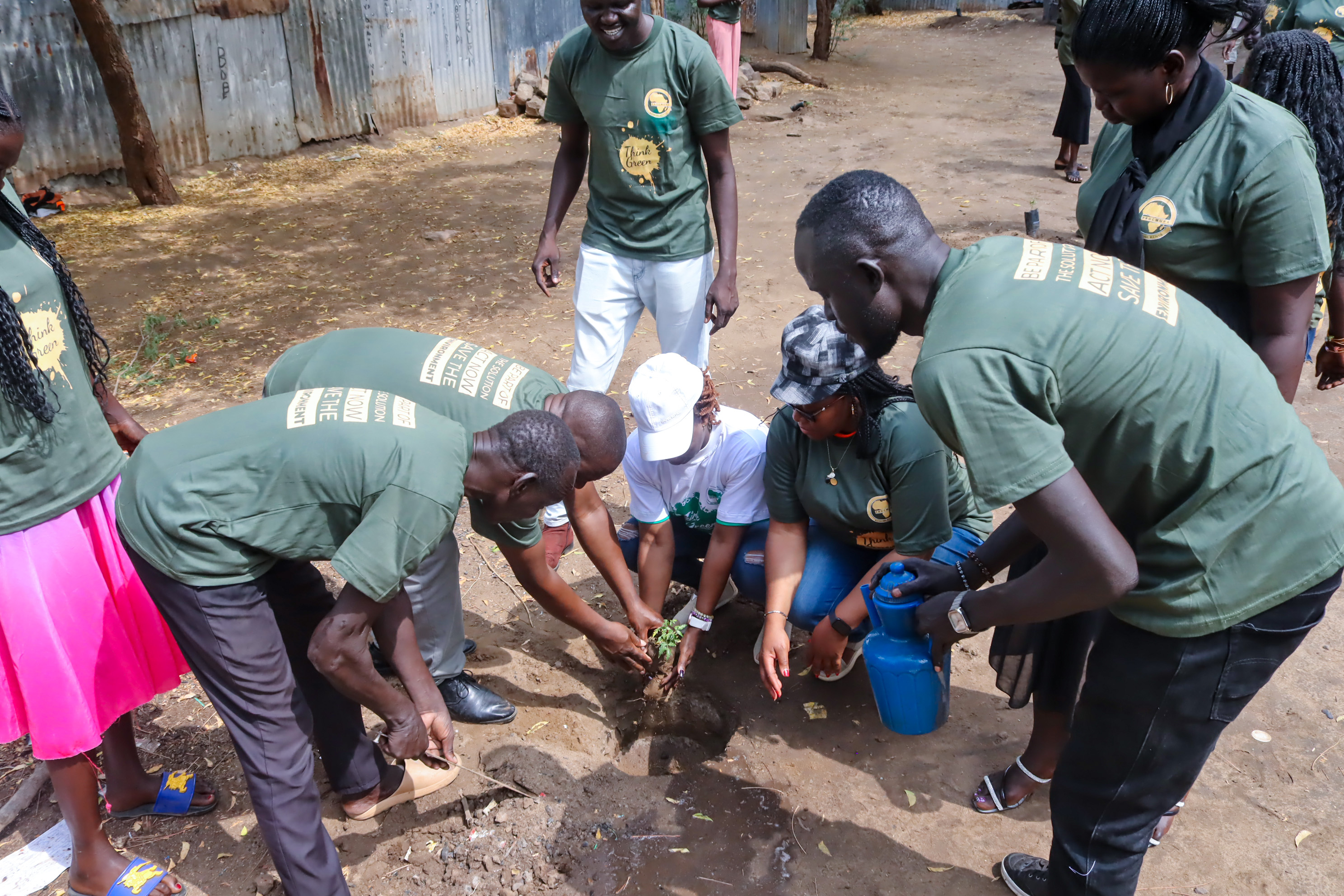
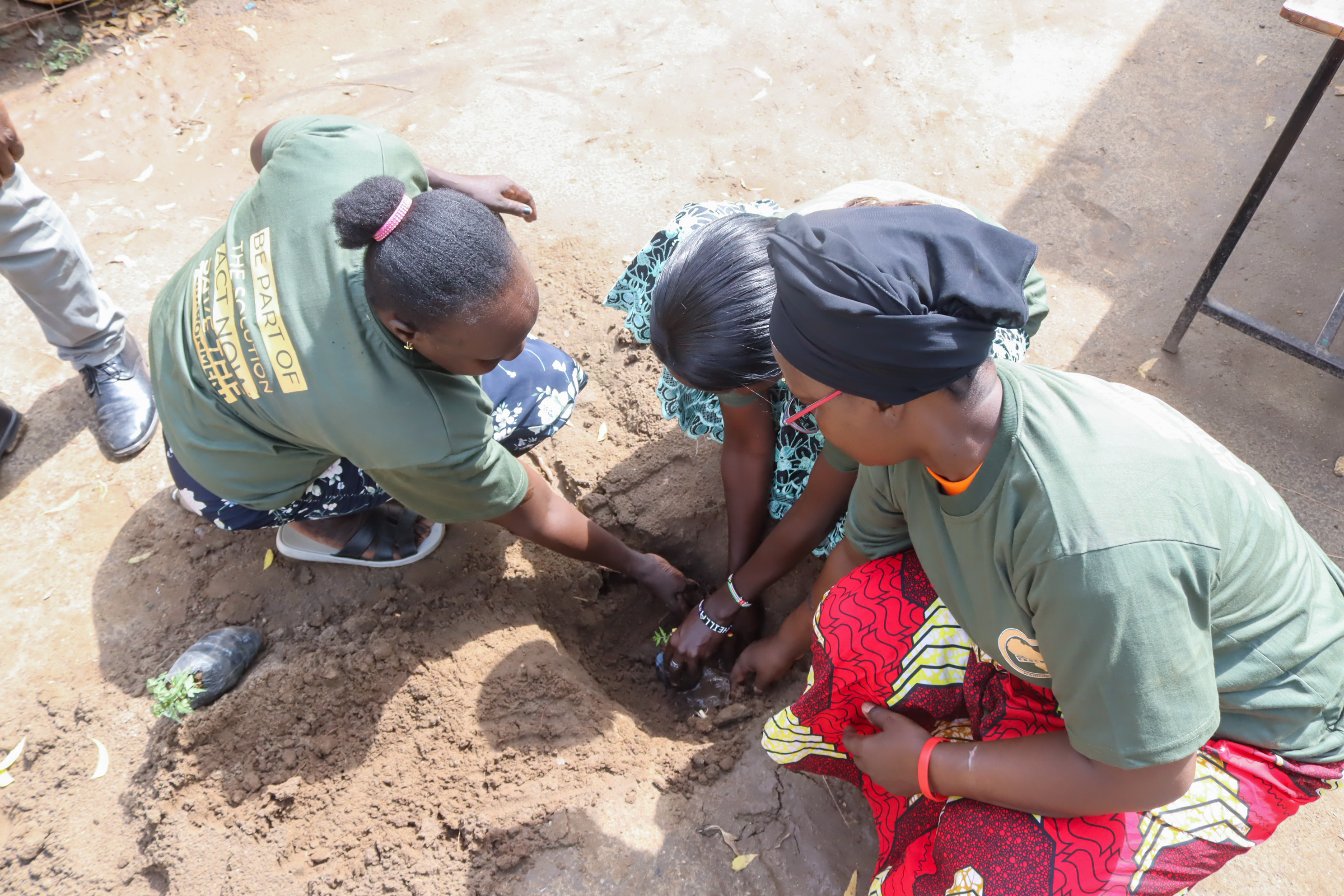
A strong emphasis was placed on translating learning into practice. Tree-planting activities were carried out in selected areas of the camp, an essential intervention in a region where vegetation loss accelerates soil erosion, increases heat exposure, and reduces environmental stability.
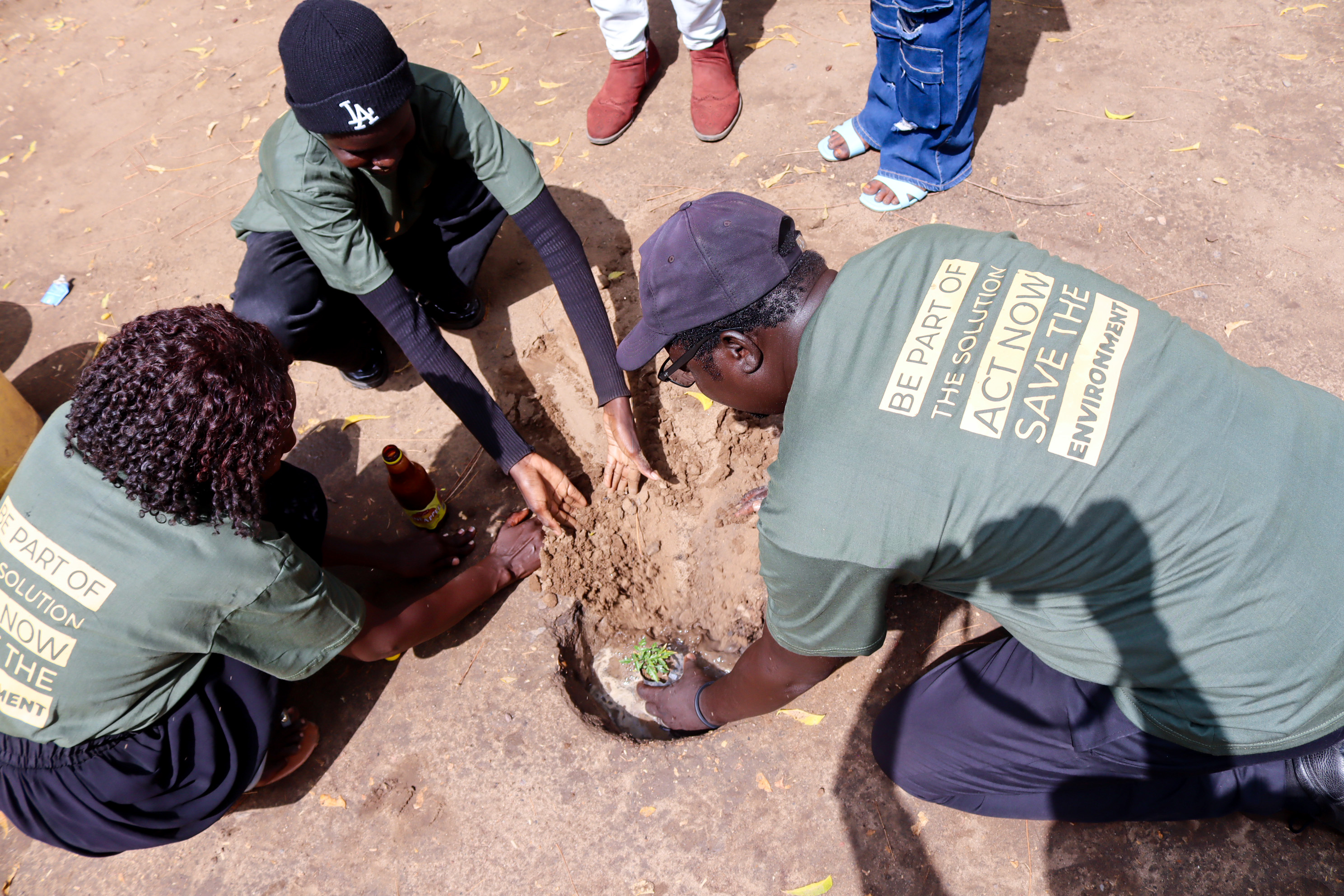
The activity served as a practical demonstration of commitment to environmental restoration and the value of long-term ecological care in a setting often dominated by short-term survival priorities.
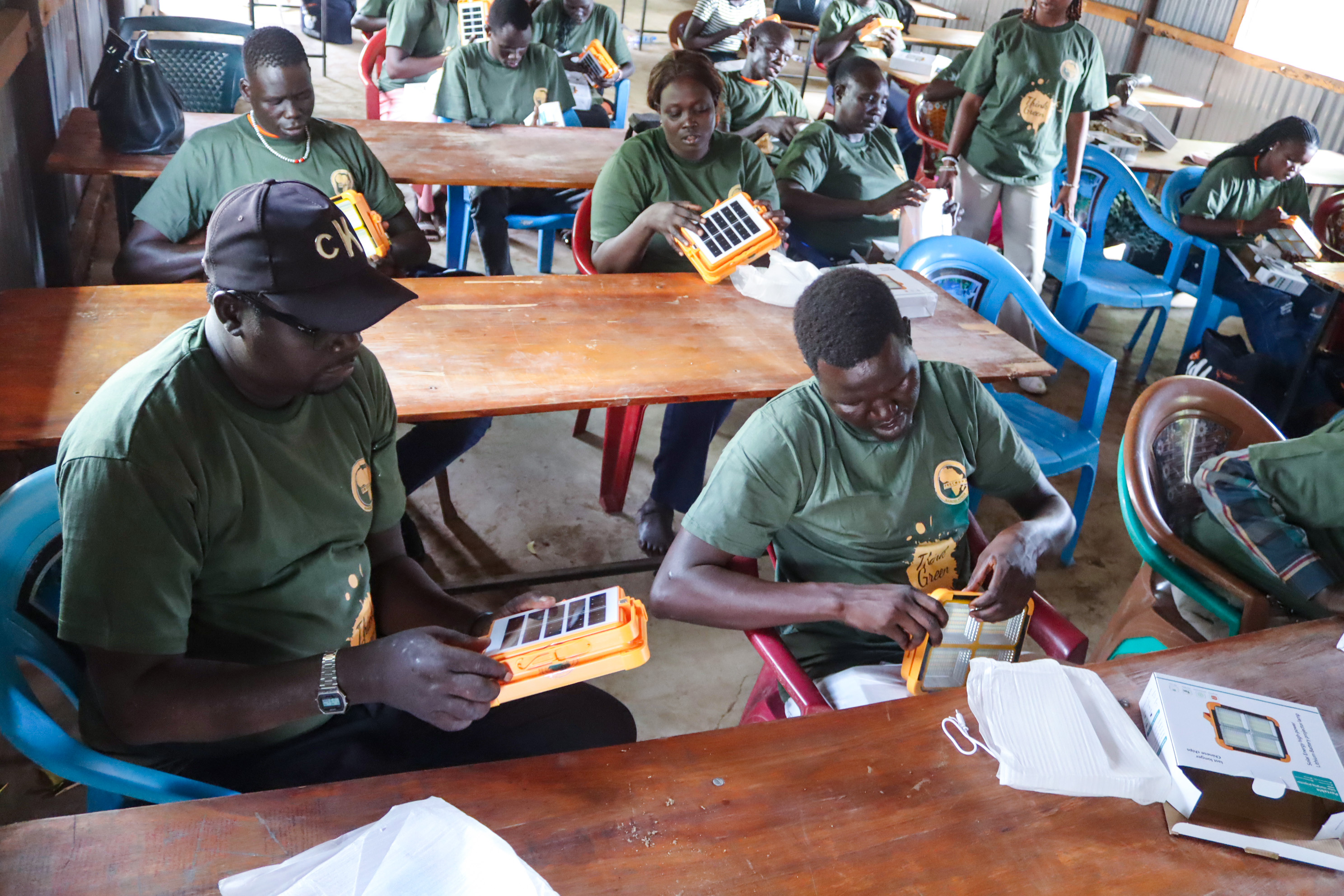
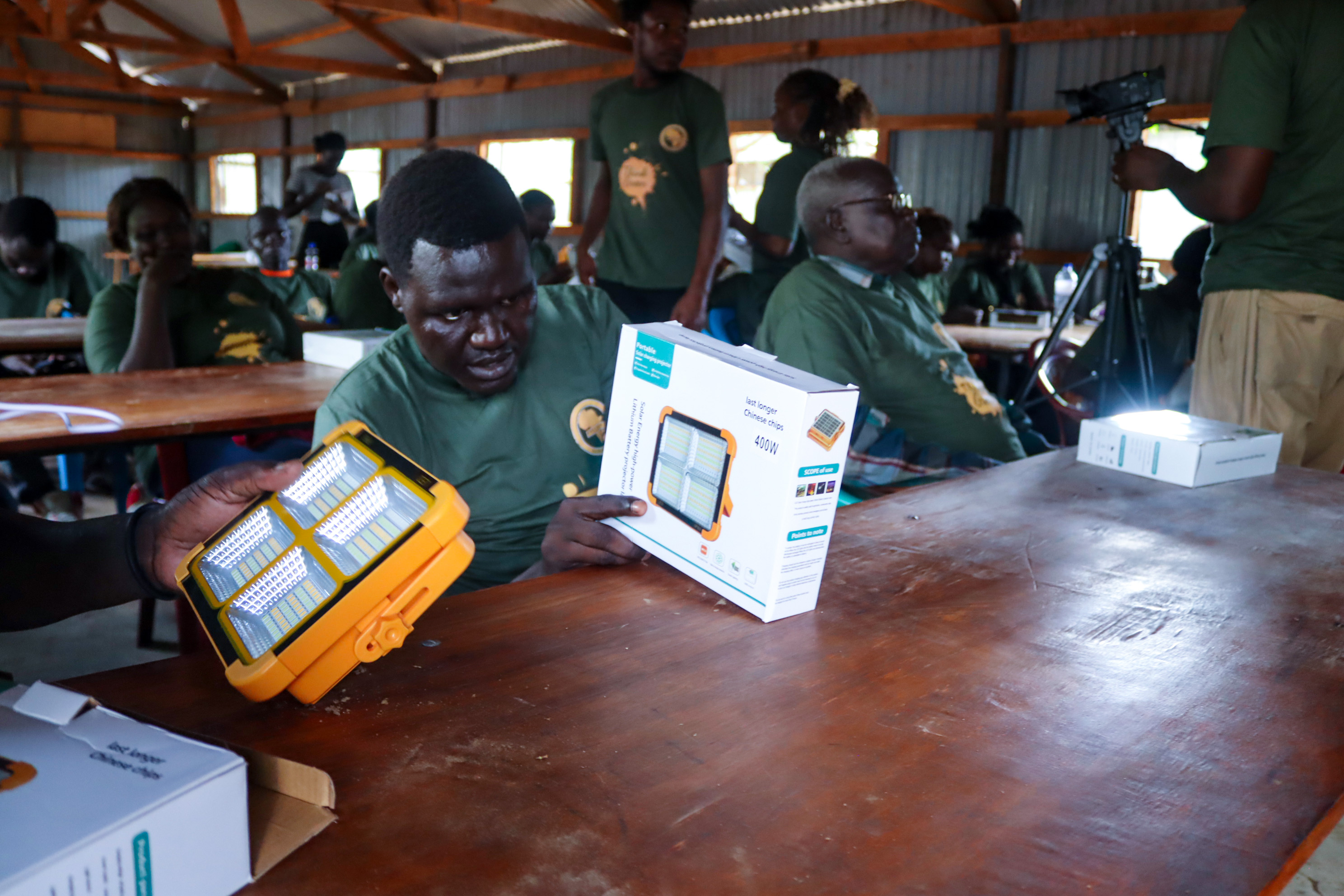
The promotion of alternative energy formed another key pillar of the intervention. PROCMURA distributed solar lights to participants and the theological college library, providing a cleaner, safer source of lighting that reduces dependence on firewood and kerosene. Access to solar lighting has been shown in similar contexts to improve household safety, support education, and reduce environmental pressure by lowering demand for biomass fuels. In Kakuma, the intervention offered a tangible example of how renewable energy solutions can improve daily life while contributing to environmental protection.
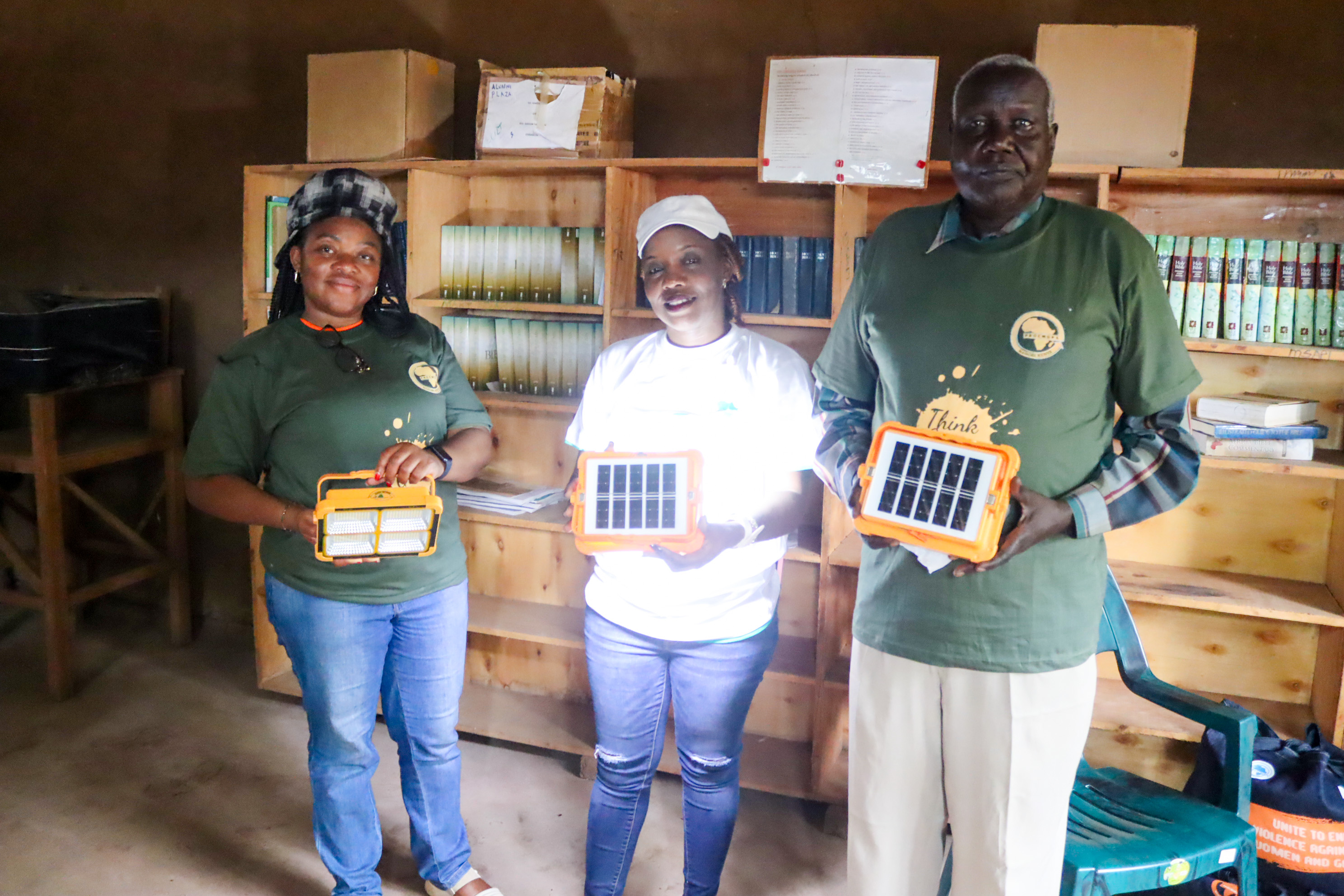
The outcomes of the two-day engagement were significant. Participants demonstrated increased awareness of environmental sustainability and a clearer understanding of how individual and collective actions can help protect the camp’s fragile ecosystem. More importantly, the initiative fostered a sense of shared responsibility, encouraging participants to act as advocates for better environmental practices within their institutions and wider communities.
By intentionally involving a theological institution, the intervention also strengthened the role of faith-based education in promoting creation care. Faith leaders and students trained in such contexts are well-positioned to influence values, attitudes, and behaviours, making environmental stewardship an integral part of community life rather than an external or technical concern.
As climate change continues to drive displacement and intensify pressure on the scarce natural resources across Africa, the need for integrated and forward-looking environmental approaches in humanitarian settings has never been more urgent. PROCMURA’s Think Green engagement in Kakuma illustrates how education, alternative energy, and community participation can come together to support environmental responsibility, resilience, and dignity, even in the most fragile contexts.