
PROCMURA Partners With Mission 21 to Address Rising Gender Based Violence and Food Insecurity Among Women and Girls in Kakuma Refugee Camp
- By PROCMURA
- Events
- Hits: 708
Life in refugee camps is often marked by uncertainty, scarce resources, and prolonged vulnerability. For women and girls, these challenges are compounded by persistently high rates of gender based violence, making daily survival and personal safety inseparable struggles. This reality underscores how displacement affects not only physical security but also dignity, hope, and social well-being.
Kakuma Refugee Camp and the adjoining Kalobeyei Integrated Settlement in northwest Kenya have grown into one of the largest refugee-hosting areas in Africa. Together, they are home to more than 300,000 refugees and asylum seekers from over 25 nationalities, representing diverse cultures, languages, and experiences of conflict and displacement. Despite this rich diversity, limited access to basic needs and services, such as food, water, healthcare, and protection, remains a daily reality for camp residents.
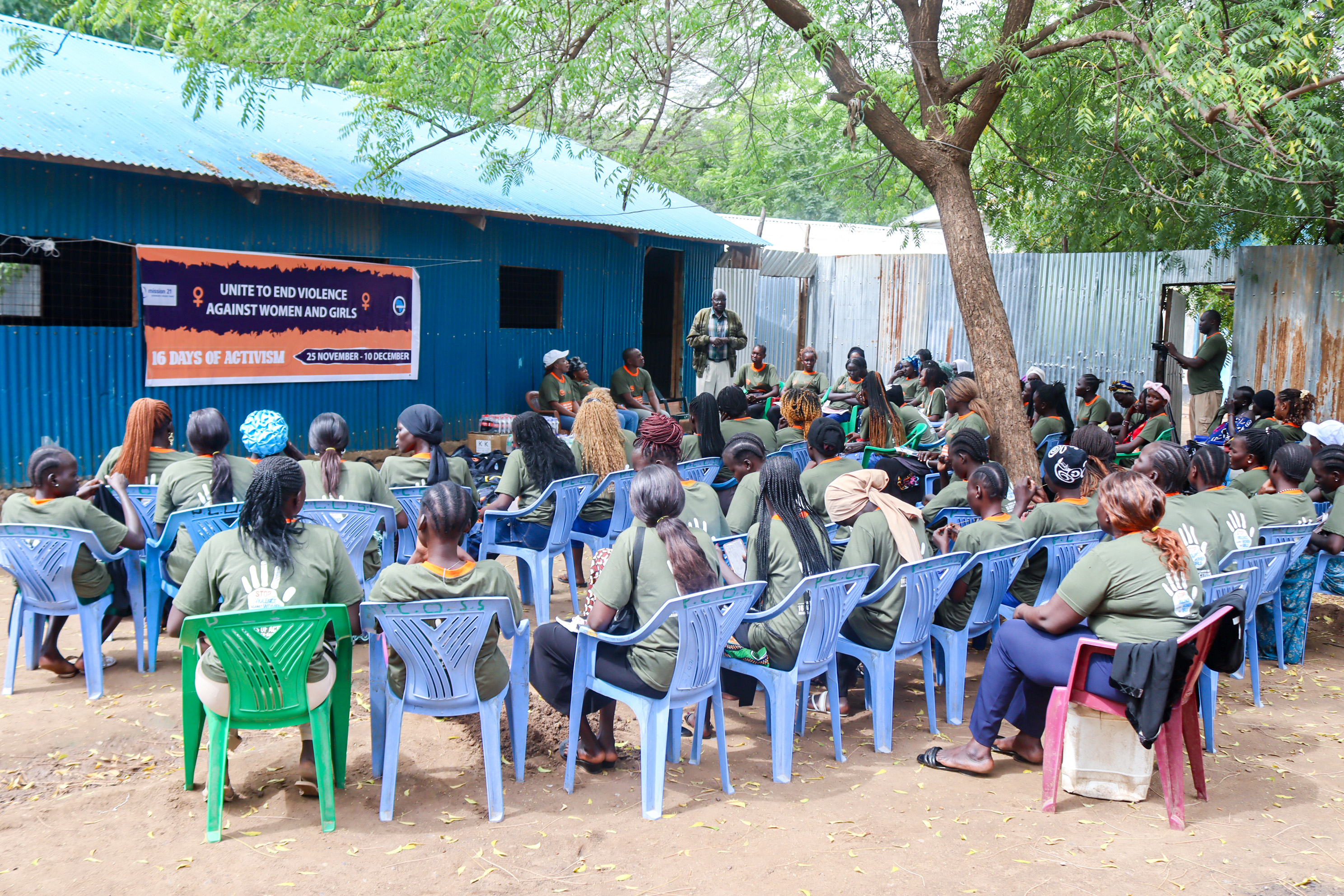
It is against this backdrop that PROCMURA, in partnership with Mission 21, one of our longstanding partners, implemented an initiative during this year’s 16 Days of Activism Against Gender-Based Violence Against Women and Girls that combined empowerment and tangible support for the women and girls in this expansive refugee camp. The intervention combined awareness raising, empowerment, and direct humanitarian action to address intertwined challenges of GBV and food insecurity that displaced families, particularly women and girls, in Kakuma continue to face, day in, day out, even as they seek to rebuild their lives.
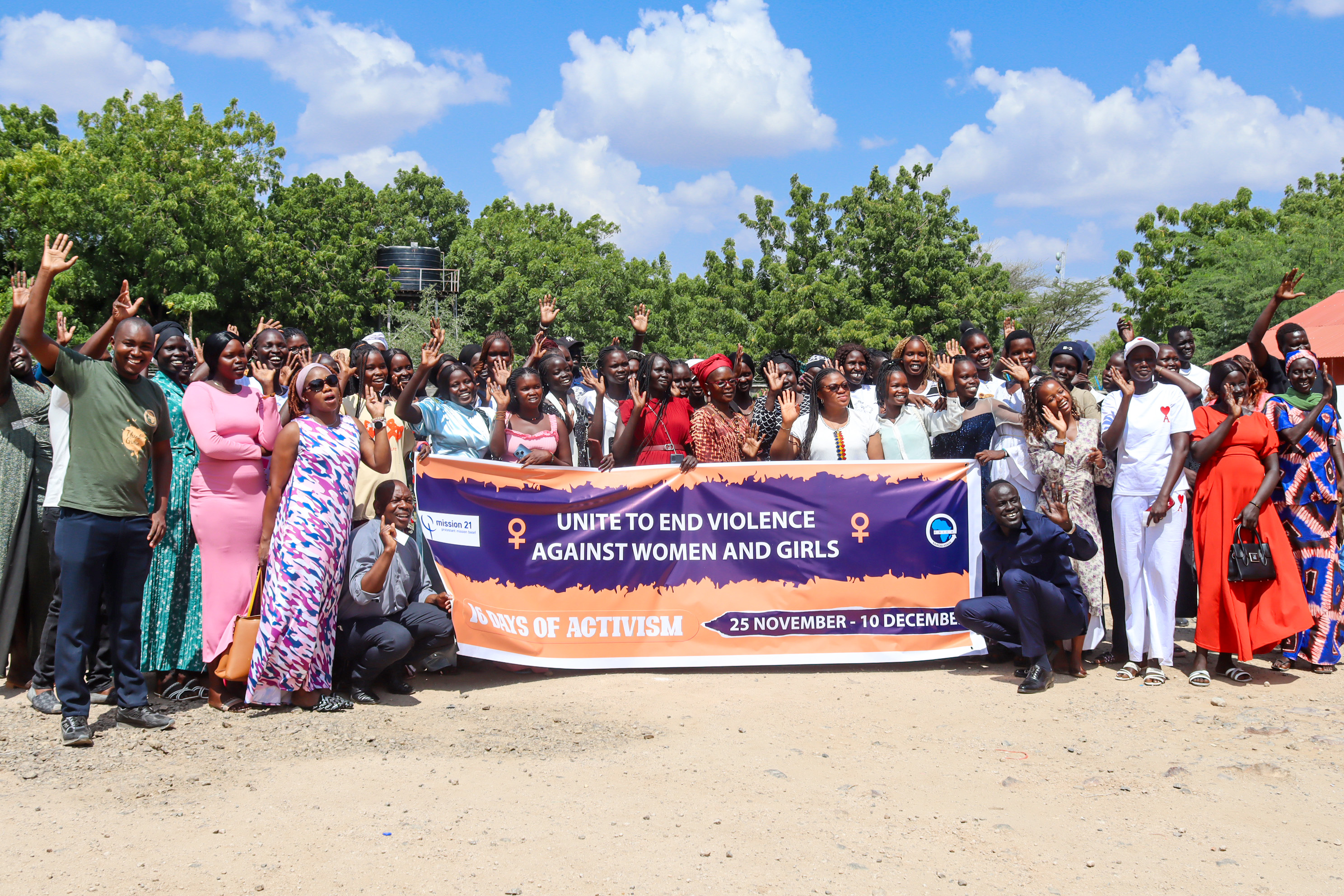
The workshop provided a perfect platform for women, girls, and men from the camp to participate in structured discussions that unpacked gender-based violence, clarified rights under national and international frameworks, and highlighted available support services. These conversations were designed to equip participants with not only a theoretical understanding but also the practical confidence to speak out, seek help, and support others within their communities. A deliberate component of the engagement was the inclusion of “Men Champions”, who are actively pushing back against harmful practices that perpetuate violence. Their presence reinforced the notion that preventing gender based violence requires collective action across gender identities.
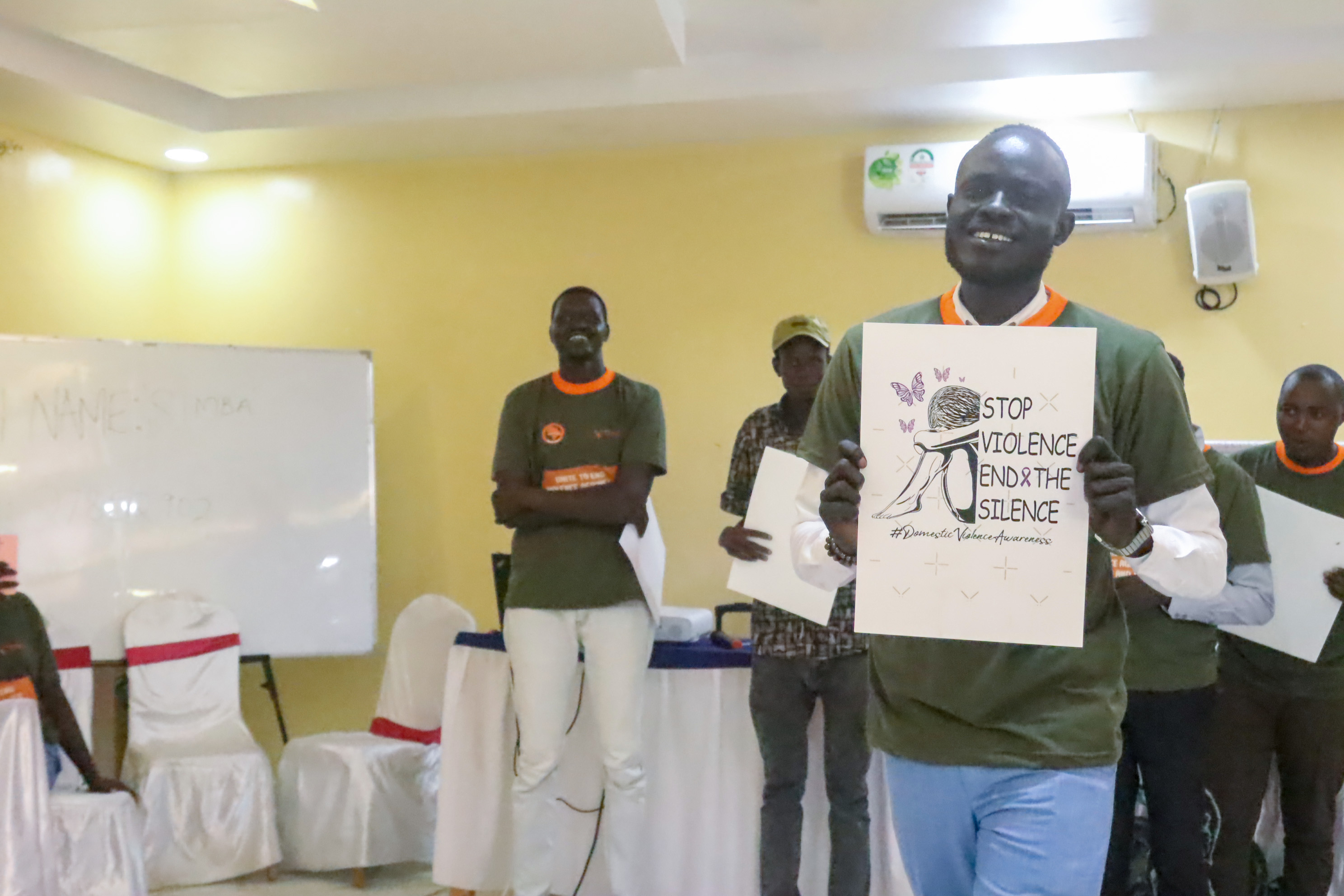
International data show that in humanitarian contexts, women and girls face disproportionately high risk of abuse, exploitation, and violence, a situation which is further exacerbated by being in a refugee camp. In such crowded settings with limited protection mechanisms, reporting is low and access to justice is often restricted. By creating a safe environment for open dialogue and learning, the workshop helped bridge gaps in understanding while encouraging community support systems, such as the established community of watchdogs who will help continue leading the fight against GBV against women and girls even beyond the workshop.
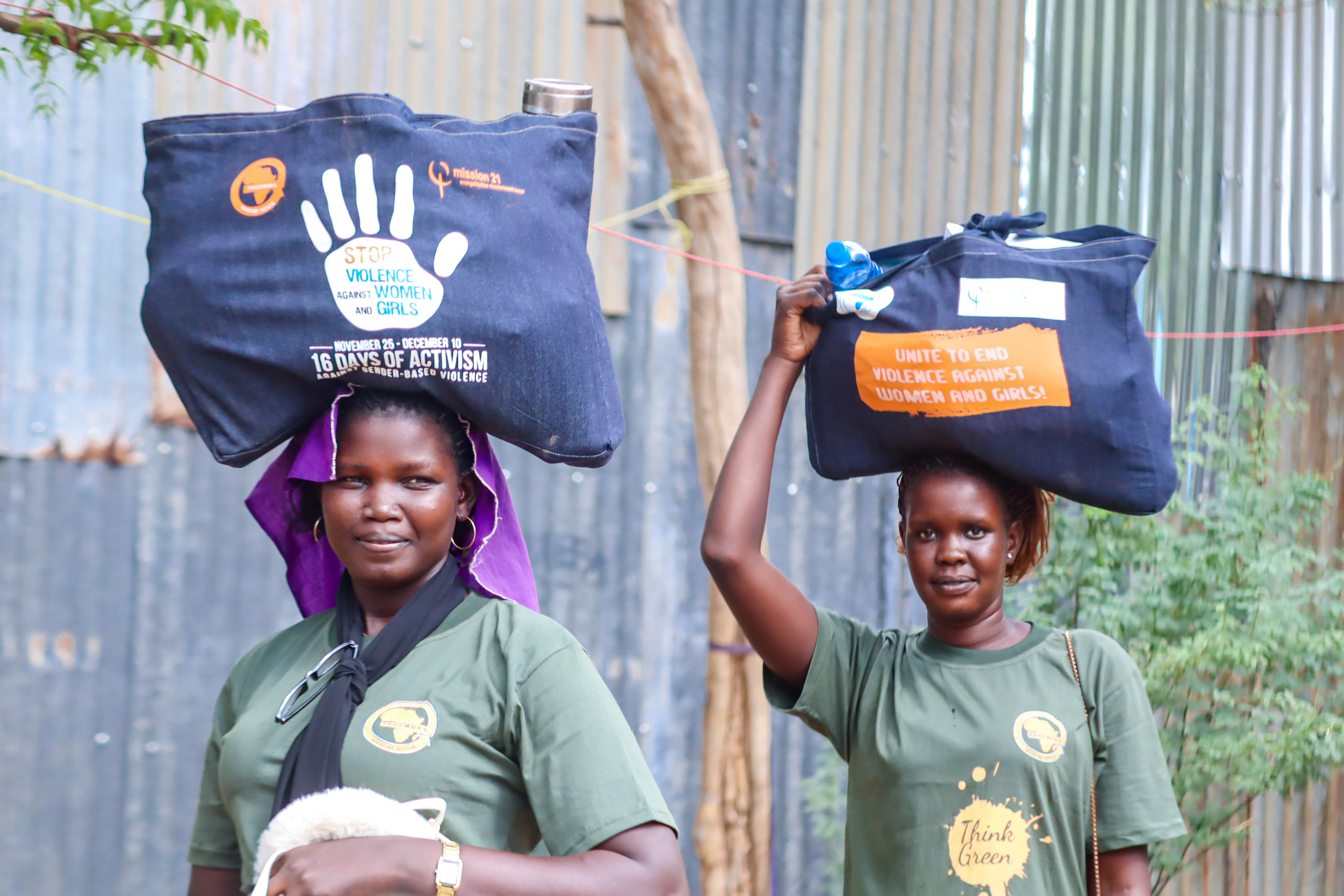
Away from the impactful workshop, PROCMURA recognised that equipping participants with knowledge must also be matched with addressing the pressing day-to-day needs, especially on food scarcity in the camp. Food insecurity in Kakuma remains a severe concern, with aid cuts and growing populations straining already limited resources. Humanitarian assessments indicate that many refugee households experience moderate to severe food shortages, making daily sustenance a central struggle. In response, PROCMURA, in collaboration with Mission 21, distributed food banks to the women, girls and a few men who attended the workshop, offering tangible support that eased immediate hunger and reinforced their sense of dignity and care.
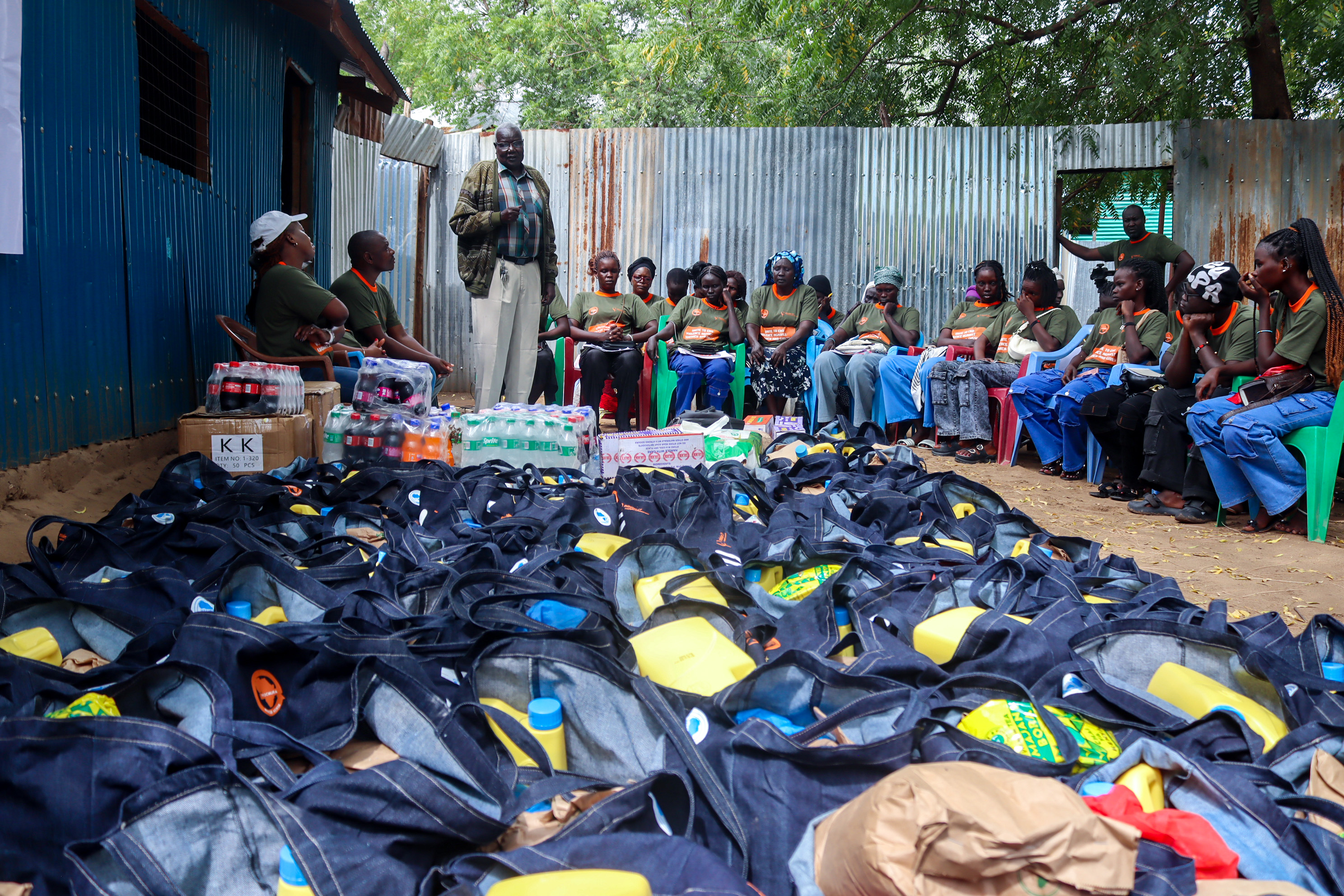
While leading the distribution of the food banks, the Team Leader of PROCMURA, Ms. joy Wandabwa, noted, "It is gratifying to hear that for many participants, this humanitarian component of our initiative here at the Kakuma refugee camp is more than a gesture. For us as an organisation, it demonstrates that advocacy efforts need to translate into practical, life-affirming support. It further underlines our commitment to linking awareness with action, particularly in communities where food scarcity heightens vulnerability to exploitation and erodes resilience."
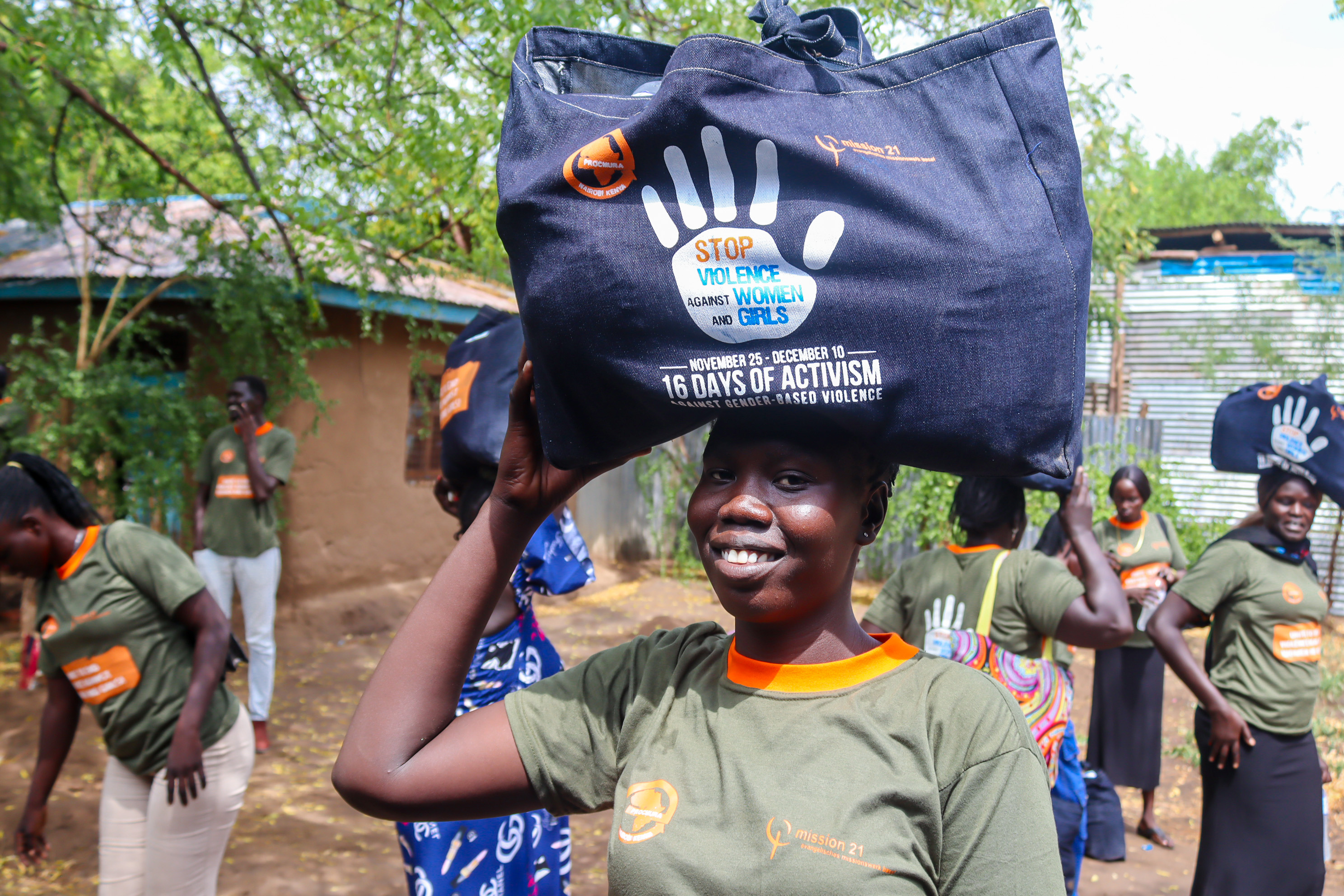
On her part, the Programme Officer of PROCMURA, Rev. Dr. Salli Effungani, remarked, "This engagement at Kakuma reflects PROCMURA’s holistic Community Development approach to addressing gender based violence. By promoting understanding, strengthening community solidarity, engaging male allies, and providing direct assistance, the organisation addresses both the root causes and the immediate consequences of GBV in displacement contexts."
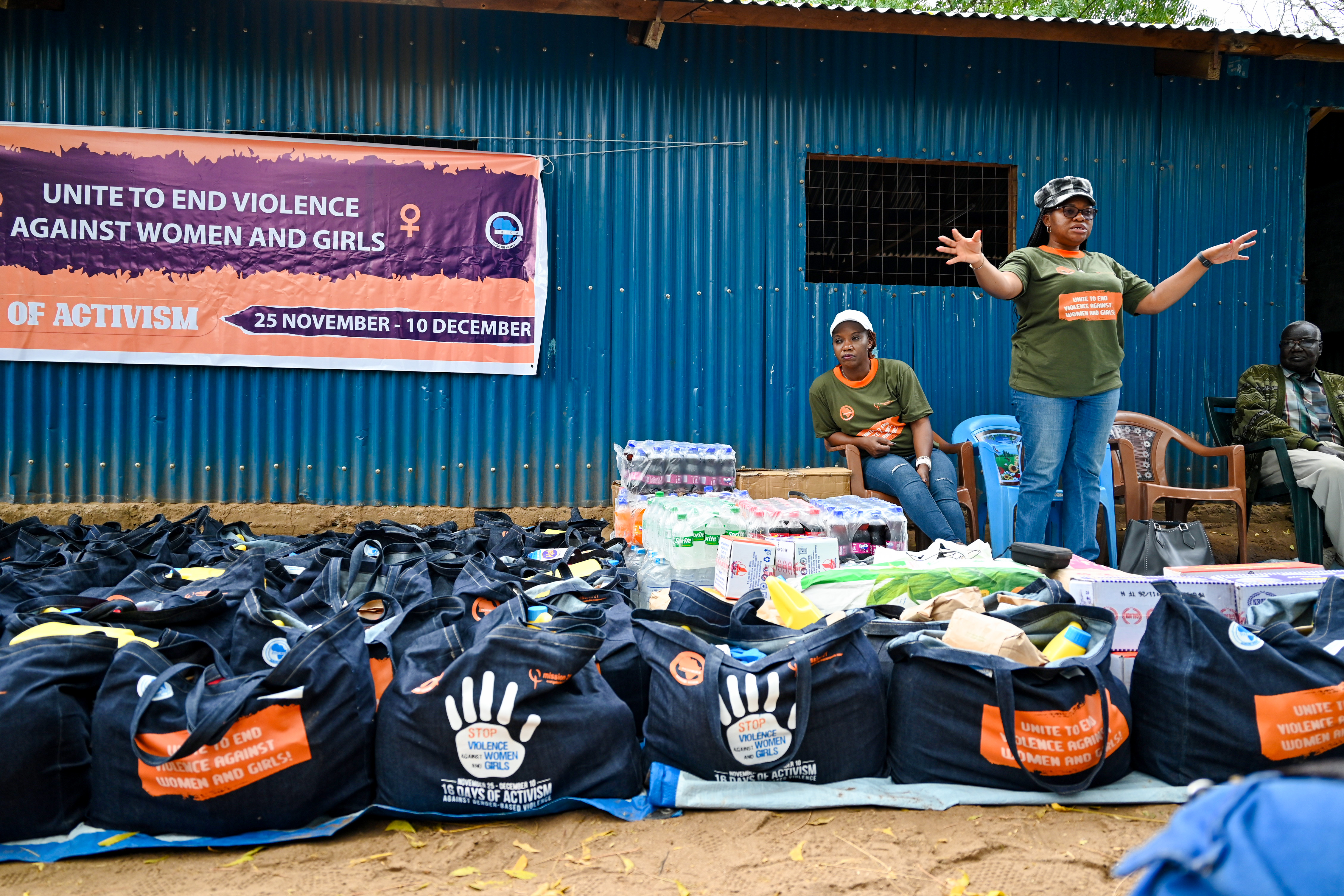
As women and girls in the camp continue to navigate hardships far from home, impactful initiatives such as this by PROCMURA and Mission 21 play a vital role in protecting the most vulnerable, fostering resilience, and affirming that women and girls deserve safety, support, and hope. PROCMURA’s work demonstrates that when advocacy and humanitarian action are aligned, they can create pathways toward healing, empowerment, and lasting community change.