
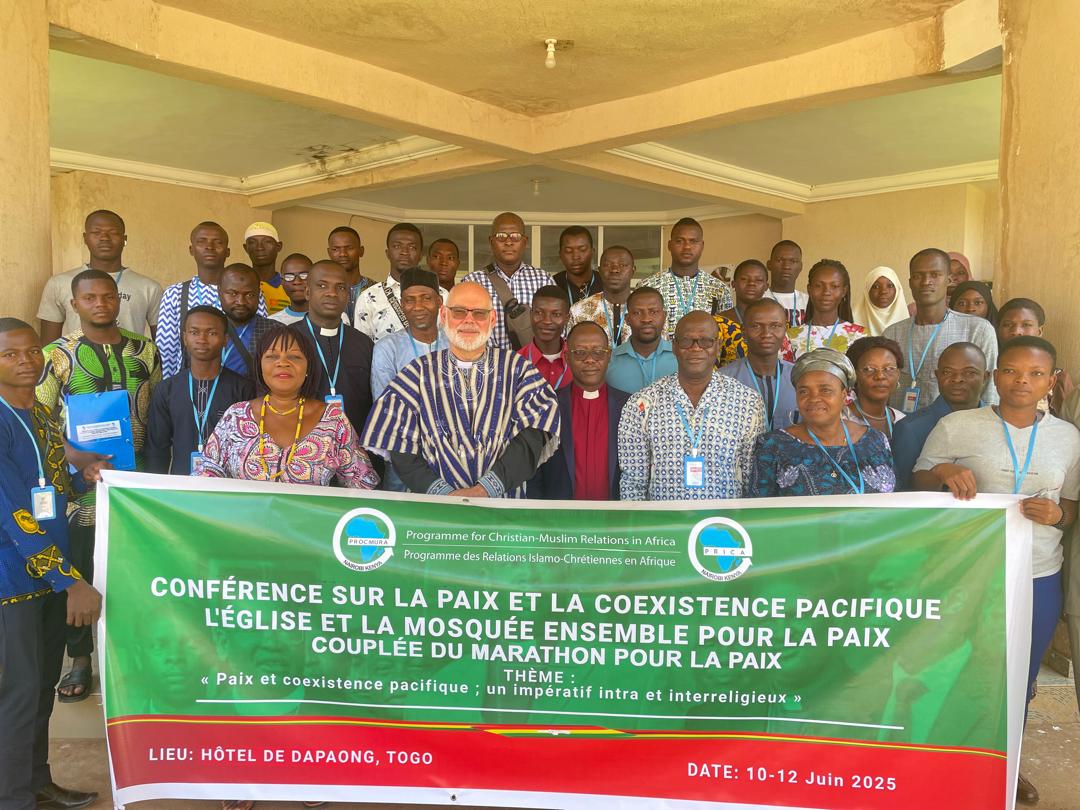
PROCMURA’s Grassroots Peacebuilding Response in Troubled Northern Togo
- By PROCMURA
- Events
- Hits: 331
Northern Togo has increasingly found itself on the frontline of insecurity that has continued to plague the wider Sahel crisis. Since 2021, violent extremist attacks spilling over from neighbouring Burkina Faso have affected border communities, causing loss of life, property destruction, displacement, and prolonged fear. While Togo has historically been marked by relatively peaceful Christian-Muslim relations, the evolving security context has begun to strain trust, especially within the religious communities living in the region.
In this fragile environment, fear and uncertainty risk being interpreted through religious identities and lenses, even when the root causes of violence are political, economic, and transnational. Community leaders, women, and young people have expressed growing concern that, without deliberate efforts to strengthen cooperation from across the religious divides, the growing mistrust and suspicion could deepen and undermine long-standing patterns of coexistence. In this context, the Programme for Christian-Muslim Relations in Africa designed a targeted intervention in Dapaong, carrying out a three-day Peace Conference to, among other things, reinforce local peacebuilding capacities before tensions escalated further
In June 2025, PROCMURA convened more than two hundred and fifty (250) Christian and Muslim religious leaders, women, and youth from the Dapaong area for structured engagement on shared responsibility, mutual understanding, and collective action for peace. The initiative directly addressed local realities, recognising that security challenges cannot be addressed by military or political measures alone and require strong social cohesion and trusted community leadership.
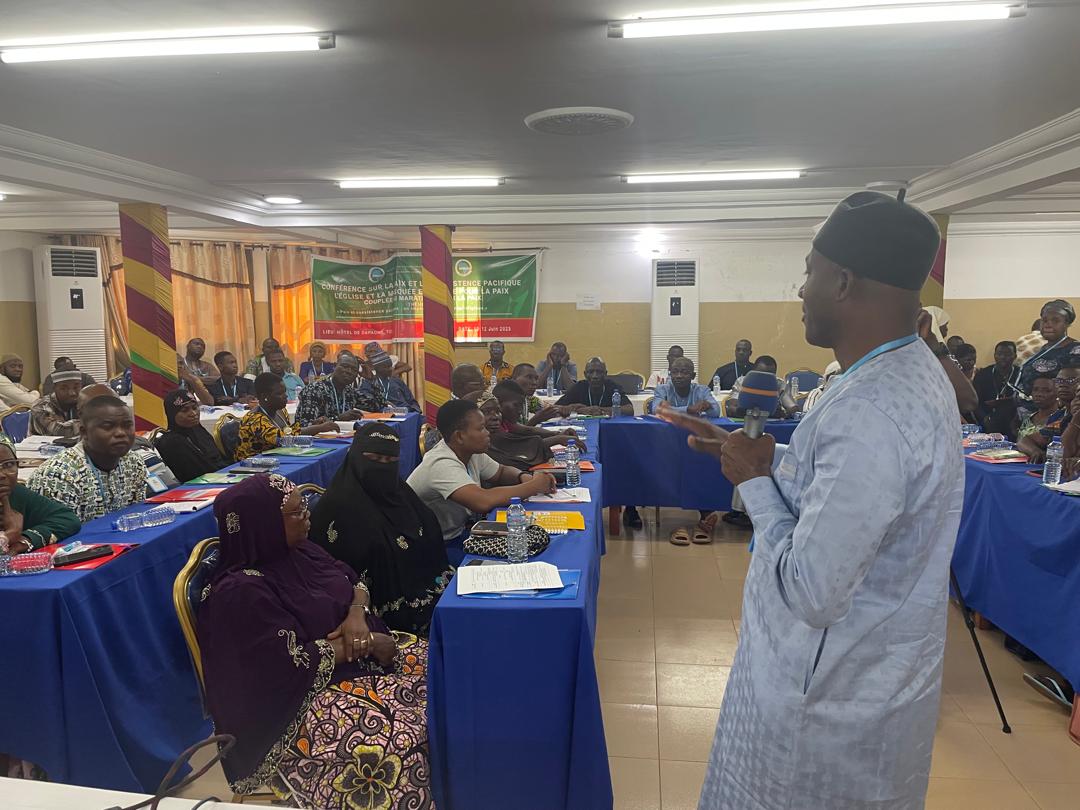
A conference session.
At the start of the conference, which was formally opened by the Prefect of Dapaong and the Governor of the city, interactions reflected the existing realities - a social distance between the two main religious communities in the region of Christians and Muslims. Participants tended to sit along religious lines, and discussions were formal and cautious. Through facilitated sessions, participants examined common fears, clarified misconceptions, and reflected on the roles of religious leaders, women, youth and community members in preventing religion from being misused to divide communities. As the conference progressed, barriers gradually eased. Conversations became more open, shared meals followed, and relationships began to form across religious, generational, and gender lines.
“In contexts like northern Togo, peace cannot be assumed. It has to be deliberately nurtured. When Christian and Muslim leaders, women, and young people sit together, reflect honestly on their shared fears, and act collectively, they protect their communities from being pulled apart by forces that do not represent their values. This is why sustained grassroots engagement remains essential,” Bishop (Dr.) Nathan Samwini, the General Adviser of PROCMURA, observed in his opening remarks.
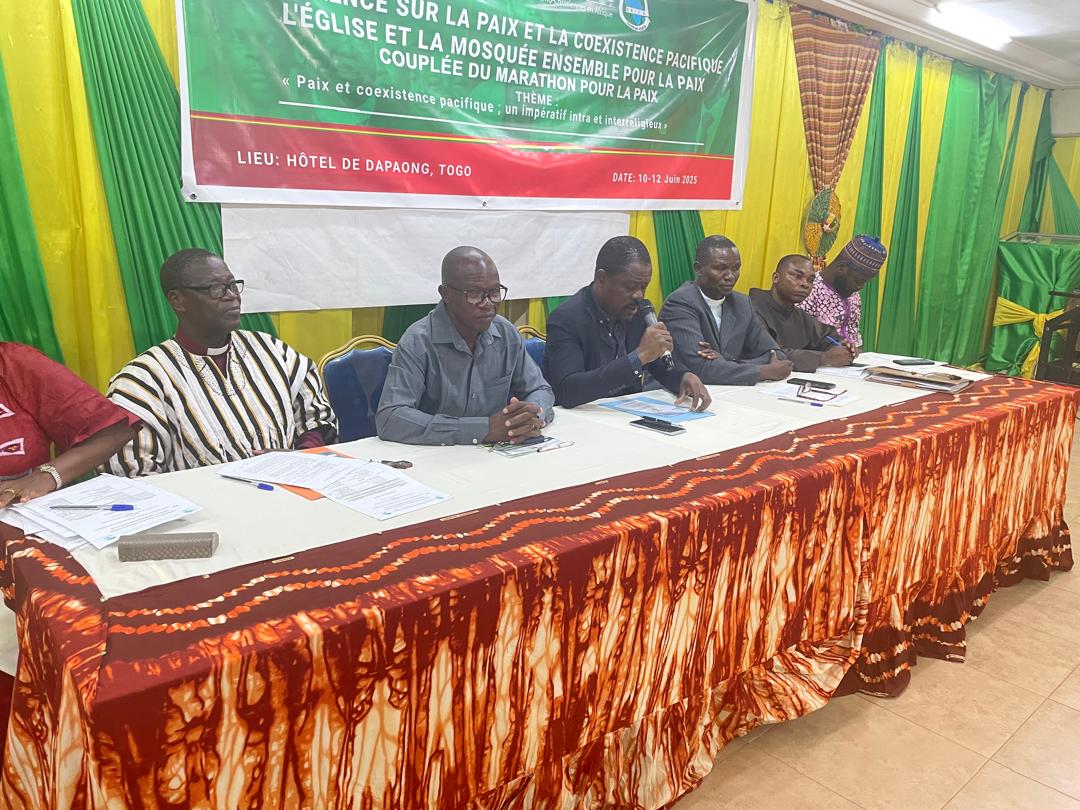
Official opening of the conference.
Discussions during the engagement also highlighted interconnected challenges facing communities, including restricted access to farmland due to insecurity and the compounding effects of climate-related stress. These realities underscore the need for peacebuilding approaches closely linked to resilience, livelihoods, and social support. Faith institutions, including local church structures as well as mosques, shared experiences of ongoing self-help initiatives supporting vulnerable households, demonstrating that peace and development are inseparable.
Beyond the structured conference sessions, the initiative extended into public space through a Peace March in Dapaong that engaged the wider community. The procession drew residents, traders, and passers-by into a visible expression of shared commitment to coexistence, reinforcing the message that peace is not the responsibility of religious leaders alone. Targeted messages emphasised restraint, mutual responsibility, and the understanding that building and sustaining peaceful communities requires the active participation of everyone, not just religious leaders or the government alone.
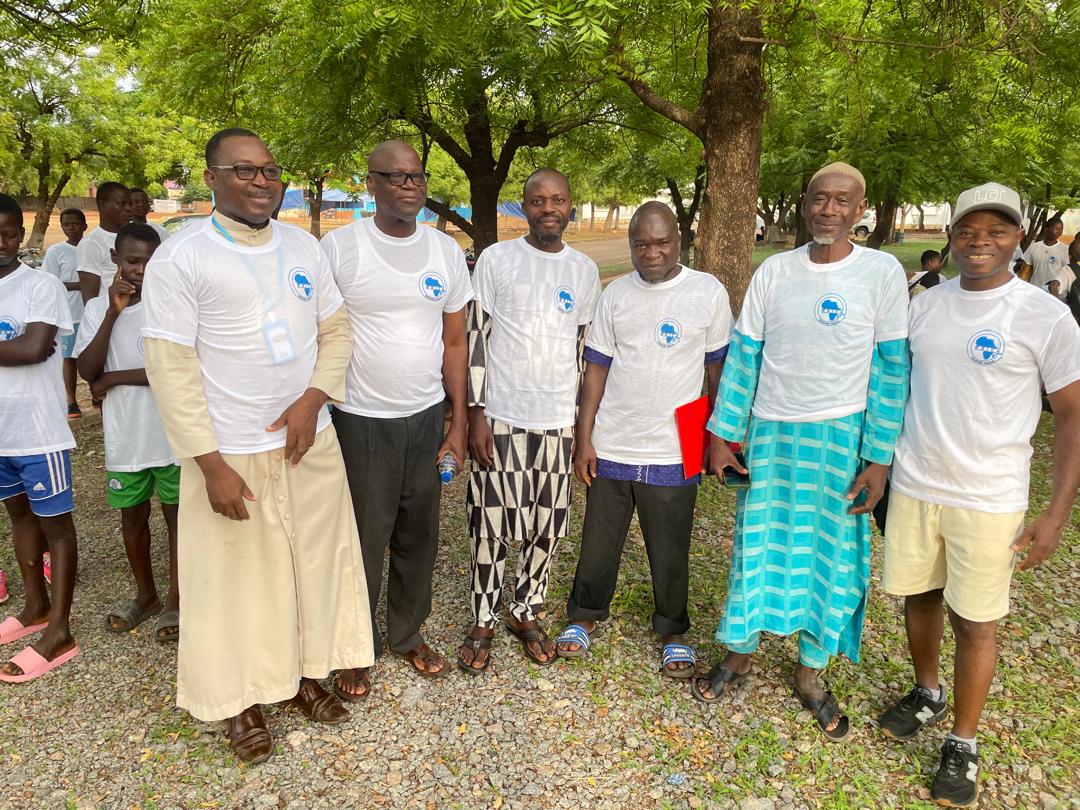
The General Adviser of PROCMURA Bishop (Dr.) Nathan Samwini, with a section of the religious leaders who attended the conference getting ready for the peace walk.
While commending PROCMURA for the intervention in northern Togo, Rev. Dr. Andrew Ashdown, Chair of PROCMURA European Partners, commended the organisation for a work that indeed reflects its long-standing approach of working at the grassroots level to strengthen local leadership, particularly among religious leaders, women, and youth. Rather than responding only after violence has escalated, PROCMURA’s work prioritises early proactive engagement, relationship-building, and practical cooperation to prevent the erosion of trust between religious communities, with a strategic focus on Christians and Muslims.
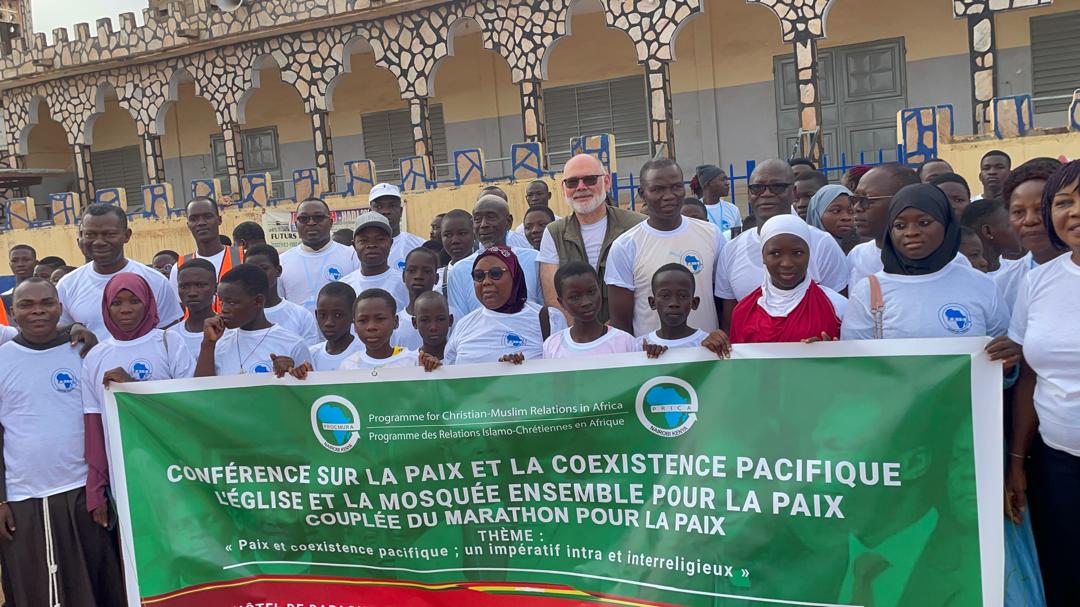
Rev. Dr. Andrew Ashdown flagging off the peace walk.
As insecurity continues to affect communities across the Sahel and coastal West Africa, the experience in Dapaong demonstrates the continued relevance of structured Christian-Muslim engagement and the place it holds in building peaceful and inclusive societies. Sustained investment in such initiatives remains essential to protecting social cohesion, strengthening local resilience, and ensuring that religious diversity remains a source of stability rather than vulnerability. PROCMURA remains committed to accompanying communities like those in northern Togo as they navigate these complex realities through shared responsibility and peaceful coexistence.